You Won’t Believe What’s Hiding in Dunedin’s Wild Backyard
Tucked away in New Zealand’s South Island, Dunedin isn’t just about Victorian architecture and cute penguins. I stumbled upon something most travelers completely miss—pristine nature reserves so quiet, you can hear your own heartbeat. These protected areas aren’t just beautiful; they’re alive with rare birds, untouched forests, and coastal magic. If you're after real wilderness that feels like a secret, this is it. Let me take you deep into the wild side of Dunedin—where conservation meets adventure and nature still rules.
The Unexpected Wild Side of Dunedin
Dunedin is often celebrated for its Scottish heritage, grand university buildings, and the charming little blue penguins that waddle ashore at dusk. Yet beyond the postcard-perfect streetscapes lies a landscape of profound natural significance. Just minutes from the city center, rugged hills roll into dense native bush, while the Otago Peninsula unfurls into windswept cliffs and secluded bays teeming with wildlife. This is not curated scenery—it’s living, breathing wilderness shaped by geology, climate, and decades of careful stewardship.
What makes Dunedin’s natural surroundings so exceptional is their proximity to urban life. Unlike remote national parks that require long drives or flights, Dunedin’s reserves are astonishingly accessible. Within a 20-minute drive, visitors can stand beneath canopy trees older than the city itself or watch albatross soar above storm-carved headlands. This closeness is no accident. The region sits at the edge of tectonic activity, where ancient volcanic formations and coastal erosion have created diverse microhabitats. These conditions support everything from coastal flax and rimu forests to salt marshes and tussock-covered hills, each hosting its own network of plants and animals.
Yet many visitors never see this side of Dunedin. They flock to the Octagon or take quick photo stops at the grotto without realizing that true magic lies just off the beaten path. The city’s wild backyard thrives in quiet contrast to its cultural attractions—a hidden layer of experience available to those willing to look beyond the guidebook. Here, silence replaces traffic noise, and the rhythm of nature sets the pace. It’s a reminder that even in modern times, pockets of untouched Earth still exist, preserved not by isolation, but by intention.
Why These Reserves Stay Under the Radar
One might expect such rich natural landscapes to be major tourist draws, yet Dunedin’s reserves remain remarkably low-profile. There are no massive billboards, few souvenir shops, and minimal social media buzz. The reason lies in a combination of deliberate conservation philosophy and subtle cultural values. Locals often speak of these places with quiet pride rather than promotional flair. They value their tranquility and resist overexposure, understanding that too much attention can endanger the very qualities that make these areas special.
Tourism trends also play a role. Most international itineraries highlight New Zealand’s more dramatic destinations—the geothermal wonders of Rotorua, the glaciers of Franz Josef, or the fjords of Milford Sound. Dunedin, by comparison, is marketed primarily for its history and university life. As a result, its ecological treasures are frequently overlooked, even though they offer experiences just as profound. The lack of flashy infrastructure—no glass viewing platforms or high-priced tours—further reduces visibility. But this modesty serves a purpose: it keeps visitor numbers manageable and minimizes environmental strain.
Additionally, many of these reserves operate under strict access guidelines. Some require permits, others are open only during certain seasons, and several rely on guided visits to control impact. These measures, while essential for protection, naturally limit foot traffic. Rangers and conservation groups prioritize education over entertainment, focusing on fostering respect rather than drawing crowds. In doing so, they uphold a deeper principle: that nature does not exist for human spectacle, but for balance, resilience, and continuity. The result is a network of sanctuaries where wildlife comes first—and where visitors are guests, not protagonists.
Logan Park Bush: A Tiny Forest with Big Soul
Nestled within Dunedin’s northern suburbs, Logan Park Bush is a small but vital remnant of the region’s original forest cover. Covering less than ten hectares, it may seem insignificant compared to vast wilderness areas, but its ecological importance far exceeds its size. This pocket of native bush is one of the few surviving examples of lowland kānuka and mānuka forest in the area, providing critical habitat for native birds, insects, and plant species that struggle to survive elsewhere in the urban landscape.
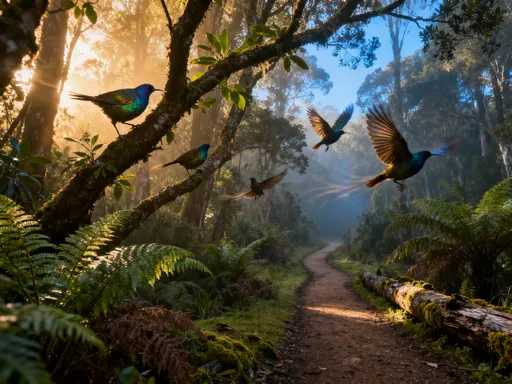
Walking through Logan Park Bush feels like stepping into a quieter version of the past. The air is cooler beneath the canopy, and the only sounds are the rustle of leaves and the occasional call of a tūī or kererū. These birds—once common across New Zealand—are now considered conservation successes due to restoration efforts. The tūī, with its iridescent feathers and melodic song, flits between flowering flax, while the larger kererū, or New Zealand pigeon, glides heavily from tree to tree, playing a key role in seed dispersal. Their presence is a testament to the effectiveness of pest control and replanting programs.
Community involvement has been central to the reserve’s revival. Local schools, volunteer groups, and the Dunedin City Council have collaborated on planting days, weed removal, and monitoring initiatives. Educational signage along the walking tracks explains the history of the forest, the threats it once faced from invasive species, and the ongoing work to protect it. These efforts have transformed Logan Park Bush from a neglected green space into a living classroom and sanctuary. It stands as proof that even small patches of nature, when nurtured, can become powerful symbols of resilience and renewal.
Taiaroa Head: Where Cliffs Meet Conservation
Rising dramatically from the tip of the Otago Peninsula, Taiaroa Head is one of Dunedin’s most extraordinary natural sites. It is best known as the home of the northern royal albatross—the only mainland breeding colony of this majestic seabird in the world. With wingspans reaching over three meters, these birds are awe-inspiring, both in flight and on land. Their presence here, just a short drive from the city, is nothing short of miraculous, the result of decades of dedicated conservation work.
Visitors can observe the albatross from an enclosed viewing center operated by the Department of Conservation and the Otago Peninsula Trust. The facility is designed to allow close observation without disturbing the birds. Large windows and telescopes provide clear views of nests, chicks, and courtship displays, all while maintaining a respectful distance. Guided tours are led by knowledgeable staff who explain the albatross’s life cycle, migration patterns, and the challenges they face from oceanic pollution and climate change. These educational experiences deepen visitors’ appreciation and underscore the fragility of such rare wildlife.
Strict protocols govern access to the reserve. Drones are prohibited, flash photography is banned, and visitor numbers are limited during breeding season. These rules are not arbitrary—they are essential for protecting vulnerable chicks and ensuring nesting success. Behind the scenes, researchers monitor the colony year-round, tracking health, growth, and survival rates. Transmitters help trace migration routes across the Pacific, contributing to international conservation efforts. Taiaroa Head is more than a tourist attraction; it is a living laboratory and a beacon of hope for endangered species.
Sandfly Bay: Rugged Beauty with a Purpose
On the eastern flank of the Otago Peninsula, Sandfly Bay lives up to its name—windy, wild, and alive with movement. This coastal reserve is a stronghold for two of New Zealand’s most iconic but threatened species: the New Zealand sea lion and the yellow-eyed penguin, or hoiho. Both are classified as endangered, and Sandfly Bay provides them with a crucial refuge far from human disturbance.
Reaching the bay involves a 15-minute walk down a steep track, a small effort that ensures only committed visitors make the journey. Once there, the landscape unfolds in sweeping curves of golden sand and dune grass, backed by high hills that block out the modern world. On any given day, you might see sea lions lounging in the surf, mothers nursing pups, or penguins emerging from the waves after a day’s fishing. The experience is raw and unfiltered—no boardwalks, no railings, just nature on its own terms.
Because of the sensitivity of these species, access is carefully managed. During penguin breeding season, certain areas are closed entirely. Visitors are instructed to stay on marked paths, keep noise to a minimum, and never approach wildlife. Dogs are strictly prohibited, and rangers conduct regular patrols to enforce guidelines. These measures are not about exclusion—they are about coexistence. By limiting impact, conservationists give these animals the best chance to recover. For visitors, the reward is not convenience, but authenticity: the rare privilege of witnessing wild creatures in their natural rhythm, undisturbed.
The Catlins Connection: Expanding the Protected Network
While Dunedin’s immediate reserves are remarkable, their significance grows when viewed as part of a larger ecological corridor—the Catlins. Located about an hour’s drive southeast, this sparsely populated region forms a vital link in New Zealand’s southern conservation network. Its ancient rainforests, cascading waterfalls, and rugged coastline create a haven for biodiversity, extending the protective reach of Dunedin’s efforts into a broader landscape.
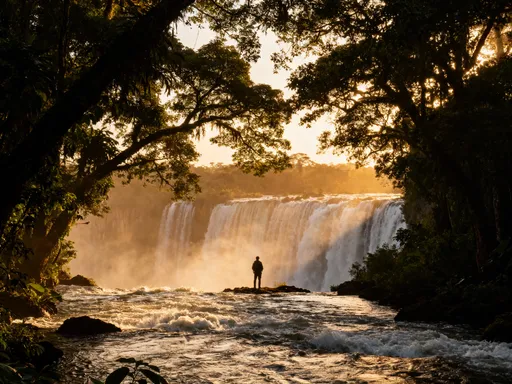
Key sites like Purakaunui Falls, with its three-tiered drop surrounded by lush ferns and rimu trees, draw visitors seeking beauty and solitude. Nugget Point, with its lighthouse and offshore rock stacks, hosts colonies of seals, shags, and occasionally orca passing close to shore. These areas are not just scenic—they are functional habitats that support species migration, genetic exchange, and ecosystem resilience. When birds fly from Dunedin’s reserves to feed in the Catlins, or when marine mammals travel along the coast, they depend on this continuity of protected space.
The Catlins also exemplify community-led conservation. Small towns like Owaka and Papatowai host eco-trusts, tree-planting initiatives, and predator-free projects that mirror efforts in Dunedin. Together, these regions form a grassroots movement to restore native ecosystems across Otago. Travelers who explore both areas begin to see a pattern: conservation is not confined to isolated parks, but woven into the fabric of the region. It becomes clear that protecting nature is not a single act, but a shared, ongoing commitment across landscapes and communities.
How to Visit Responsibly—and Why It Matters
Exploring Dunedin’s wild reserves is a privilege, not a right. Each footstep has an impact, and every decision a visitor makes contributes to either the preservation or degradation of these fragile places. The good news is that responsible travel is neither difficult nor limiting—it simply requires awareness and intention. The first rule is to stay on designated tracks. These paths are carefully planned to minimize soil erosion, protect plant roots, and prevent disturbance to nesting sites.
Equally important is respecting wildlife boundaries. Observing animals from a distance allows them to carry on with feeding, resting, and raising young without stress. Sudden movements or loud noises can trigger flight responses that waste precious energy, especially in breeding seasons. Using binoculars or zoom lenses enables close-up views without intrusion. For those traveling with pets, keeping dogs on a leash—or better yet, leaving them at home—is essential, as even well-behaved dogs can trigger predator responses in native birds.
Timing matters too. Visiting outside peak breeding months, particularly for penguins and sea lions, reduces pressure on vulnerable populations. Checking with local visitor centers for seasonal closures or advisories ensures compliance with conservation needs. Equally valuable is supporting the organizations that protect these areas. Donations to groups like the Otago Peninsula Trust or participation in volunteer days contribute directly to habitat restoration and species monitoring.
Ultimately, responsible travel is about mindset. It means slowing down, listening more than speaking, and recognizing that we are temporary guests in ancient ecosystems. It means choosing wonder over convenience, and care over conquest. When travelers adopt this approach, they do more than enjoy a beautiful place—they become part of its protection.
These reserves aren’t just side trips—they’re the soul of Dunedin’s natural identity. By choosing to explore them with care, travelers become part of a bigger story: one of protection, wonder, and quiet reverence for wild places that still breathe freely.