You Won’t Believe What I Found in Abuja’s Wild – Skip the Crowds, See This Instead
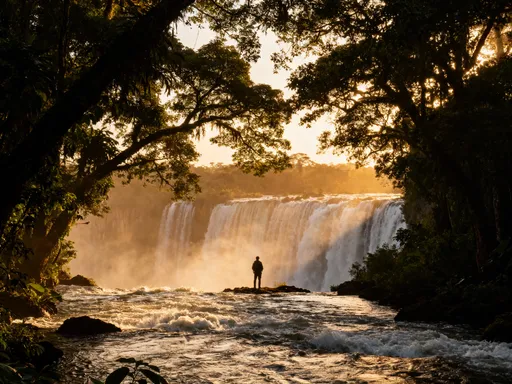
Abuja isn’t just Nigeria’s capital—it’s a gateway to stunning natural beauty most travelers completely overlook. I went searching for peace, greenery, and real moments in nature, and honestly? I was blown away. From serene hills to hidden waterfalls, the city’s wild side is a breath of fresh air. But trust me, not every spot is worth your time. Let me guide you to the true gems—and the ones you should skip.
Abuja’s Natural Allure: More Than a Concrete Capital
When most people think of Abuja, they picture broad boulevards, government complexes, and a skyline shaped by modern architecture. It’s easy to assume the city is all concrete and order, designed for administration rather than adventure. But beneath this polished surface lies a surprisingly lush and green landscape that defies expectations. Abuja was planned with nature in mind—over 50% of its total area is preserved as green space, making it one of the greenest capital cities in Africa. Rolling hills, open savannahs, and dense pockets of woodland weave between neighborhoods, offering a rare balance between urban life and natural tranquility.
This intentional integration of nature is not just aesthetic—it’s functional. The city’s master plan prioritized environmental sustainability, with large forest reserves, wildlife sanctuaries, and recreational parks built into its core. As a result, residents and visitors alike can escape the bustle of daily life without traveling far. Whether it’s a morning walk along a tree-lined avenue or a weekend hike in the outskirts, nature is never more than a short drive away. For women managing busy family schedules, this accessibility is especially valuable. Finding time for self-care becomes easier when peace and fresh air are within reach, not hours away.
What makes Abuja’s green spaces even more remarkable is how seamlessly they blend into everyday life. Unlike crowded tourist destinations where nature feels commercialized, here the wilderness still feels authentic. You’ll see families picnicking under acacia trees, children flying kites on open grasslands, and elders walking slowly along shaded paths. These quiet moments reveal a side of Nigerian life that’s often missed—the harmony between people and their environment. For travelers seeking connection over spectacle, Abuja’s natural allure offers a refreshing alternative to the typical itinerary.
Top 3 Must-Visit Natural Spots That Deliver
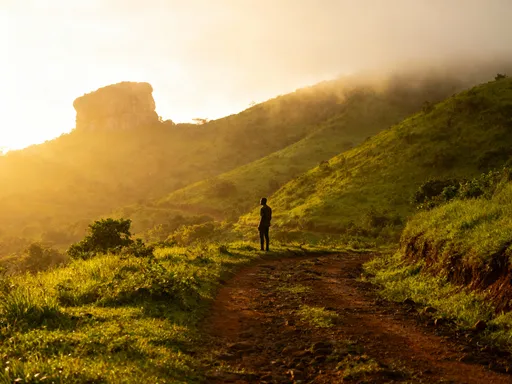
If you’re looking for iconic landmarks wrapped in natural beauty, Zuma Rock should be at the top of your list. Standing over 725 meters tall, this massive monolith rises dramatically from the surrounding plains, often referred to as the “Gateway to Abuja.” While many visitors stop briefly for photos along the highway, few take the time to explore the trails that wind around its base. These paths, though not always well-marked, offer a peaceful way to experience the rock’s grandeur up close. The area is generally safe during daylight hours, especially when traveling with a local guide who knows the terrain. Wear sturdy walking shoes, bring water, and go early in the morning to avoid the midday heat.
Another rewarding destination is Aso Rock, located near the Presidential Complex. While the official residence restricts access, the outer hiking trails provide panoramic views of the city and its undulating hills. These trails are less frequented than one might expect, offering solitude and sweeping vistas. Early risers are rewarded with soft golden light filtering through the trees and the distant hum of the waking city below. Birdwatchers will appreciate the variety of species flitting through the canopy, including hornbills and sunbirds. The trail is moderately easy, making it suitable for women of all fitness levels, especially those looking for gentle physical activity that still feels adventurous.
For a more relaxed experience, Millennium Park offers beautifully maintained gardens and quiet outer trails that extend into the surrounding woodland. Designed by renowned architect Manfredi Nicoletti, the park blends formal landscaping with native vegetation, creating a space that feels both curated and wild. The central lawns are popular with families, but if you follow the lesser-used paths toward the northern edge, you’ll find shaded clearings perfect for reading, meditation, or simply sitting in silence. This is an ideal spot for mothers who want to recharge while still staying close to their children. The park is well-patrolled, clean, and open daily, making it one of the safest and most accessible green spaces in the city.
The Overrated Viewpoints You Can Skip
Not every scenic spot in Abuja lives up to the hype. Some locations, heavily promoted on social media, turn out to be underwhelming in person. One example is the so-called “scenic overlook” near the Three Arms Zone, where government buildings house the executive, legislative, and judicial branches. While the area is symbolic, the designated photo points offer limited views, often blocked by security barriers and fencing. Crowds gather here, especially on weekends, but the experience feels more like standing in a parking lot than being in nature. The air is warmer due to the surrounding asphalt, and there’s little shade or seating.
Another frequently recommended but disappointing location is the roadside viewpoint for looking back at the city skyline from the north. Though it promises a sweeping urban panorama, the actual vantage point is narrow and exposed, with heavy traffic passing just meters away. Dust and noise undermine any sense of serenity, and the view itself is obstructed by power lines and construction cranes. These spots attract influencers seeking quick content, but they offer little value to travelers looking for genuine connection with the landscape.
Rather than wasting time on these overhyped locations, consider alternatives that provide better experiences with fewer people. For instance, the hills behind Garki District offer unobstructed views of the city at sunset, with space to sit and reflect. Similarly, the elevated paths near the Nigerian National Mosque provide a quiet vantage point with greenery on all sides. These places may not have viral hashtags, but they deliver what many travelers truly seek—peace, perspective, and a sense of discovery without the crowds.
Hidden Nature Escapes Only Locals Know
Beyond the well-trodden paths lie quiet corners of Abuja that remain largely untouched by tourism. One such place is the network of trails near Kubwa, a residential area often overlooked by visitors. Here, small footpaths cut through open grasslands and clusters of shea trees, leading to secluded clearings where you can sit in complete stillness. There are no entrance fees, no souvenir stalls, and no crowds—just the sound of wind through dry leaves and the occasional call of a francolin. It’s the kind of place where time slows down, allowing space for reflection and reconnection.
Another hidden gem lies just outside Suleja, a short drive from Abuja’s city center. Along the road to Niger State, natural springs emerge from the rocky ground, feeding small streams that flow through shaded groves. Local families often come here on weekends to relax, wash clothes, or gather medicinal herbs. The water is cool and clear, and the surrounding vegetation remains thick and healthy. While not developed for tourism, the area feels safe during daylight hours, especially when visiting with others. These springs are not advertised or mapped, but asking a trusted driver or neighbor can lead you to them.
What makes these places special is their authenticity. They haven’t been reshaped for Instagram backdrops or commercial gain. They exist as they have for generations—spaces where people live, rest, and interact with nature in simple, meaningful ways. For women seeking a break from the demands of daily life, these quiet escapes offer a chance to breathe deeply and remember what stillness feels like. Visiting them requires respect—leaving no trace, speaking softly, and honoring local customs—but the reward is a deeper, more personal travel experience.
Smart Planning: Timing, Transport, and Safety
Timing your visit right can make all the difference in enjoying Abuja’s natural spaces comfortably. The best period to explore is during the dry season, which runs from November to March. During these months, the skies are clear, the trails are firm underfoot, and the risk of sudden downpours is low. Temperatures are also more moderate in the mornings and evenings, making outdoor activities pleasant. The rainy season, from April to October, brings lush greenery but can make some paths muddy and difficult to navigate. If you do visit then, plan your outings for the early part of the day and carry waterproof gear.
Getting around Abuja doesn’t have to be complicated or expensive. Ride-hailing apps like Bolt and Uber operate reliably in the city and are a safe, convenient option for reaching natural sites. For more remote locations, hiring a local taxi through your hotel or guesthouse is a practical alternative. Drivers often know the best routes and can wait while you explore. If you’re traveling with children or prefer a guided experience, several small eco-tour operators offer half-day nature excursions with knowledgeable guides. These tours typically include transportation, water, and basic first aid, providing peace of mind for solo travelers or families.
Safety is a top priority, especially for women traveling independently. Stick to visiting natural areas during daylight hours and avoid isolated spots after dusk. Always let someone know your plans, and consider going with a friend or guide. Stay hydrated, wear a hat and sunscreen, and carry a small backpack with essentials like water, snacks, and a charged phone. When passing through nearby villages, dress modestly and greet locals politely—many appreciate a simple “good morning” in Hausa or English. These small gestures go a long way in building goodwill and ensuring a positive experience for everyone.
Nature Meets Culture: How the Landscape Tells a Story
The natural landmarks of Abuja are not just beautiful—they are deeply woven into the cultural fabric of the region. Zuma Rock, for example, is more than a geological formation; it holds significance for the Gbagyi people, the original inhabitants of the area. While specific spiritual beliefs are private and not shared publicly, it is widely acknowledged that the rock has long been regarded as a place of strength and endurance. Its solitary presence on the horizon mirrors the resilience of the communities who have lived here for centuries. Respecting this connection means approaching the site with care, avoiding graffiti or loud behavior that disrupts its solemnity.
Similarly, the surrounding hills and waterways have shaped how people farm, build, and gather. Traditional farming methods in the outskirts still rely on seasonal rains and natural irrigation, maintaining a rhythm tied to the land. In some villages, elders teach younger generations how to identify useful plants—those that soothe fevers, purify water, or attract pollinators. This knowledge isn’t mystical; it’s practical, passed down through observation and experience. When visitors take time to learn about these practices, even in a basic way, they gain a richer understanding of how culture and nature support each other.
Even the design of Abuja itself reflects a dialogue between modern governance and ancestral land use. The city’s planners consulted local communities to preserve sacred sites and maintain ecological balance. As a result, certain areas were left undeveloped not just for environmental reasons, but out of cultural respect. This thoughtful integration shows that progress and tradition don’t have to be at odds. For travelers, recognizing this balance adds depth to every hike, every photo, every quiet moment under the open sky.
How to Travel Responsibly in Abuja’s Wild Spaces
As more people discover Abuja’s natural beauty, the need for responsible travel grows stronger. The simplest and most powerful action every visitor can take is to leave no trace. This means carrying out all trash, avoiding single-use plastics, and never littering—even if you see others do it. Natural areas are fragile, and what seems like a small act, like leaving a water bottle behind, can accumulate into serious environmental harm over time. Bring a reusable bottle, pack your snacks in cloth bags, and dispose of waste properly when you return to the city.
Staying on marked trails is another key practice. While it might be tempting to cut through the bush for a better view, doing so can damage plant roots, disturb wildlife, and accelerate soil erosion. Many of these ecosystems are slow to recover. By sticking to existing paths, you help preserve the landscape for future visitors—mothers who want to bring their daughters here, or grandfathers who return each year to walk the same trail. Respect also means not picking flowers, carving names into trees, or removing rocks as souvenirs. Let others experience the same untouched beauty you were lucky enough to find.
Supporting eco-conscious local guides and tour operators is another way to travel with care. These individuals often prioritize sustainability, educate visitors about conservation, and contribute to community-led protection efforts. When you choose their services, you’re not just getting a better experience—you’re helping to fund the long-term stewardship of these spaces. Finally, share what you’ve learned. Talk to friends about the importance of preserving nature, post respectfully on social media, and encourage others to visit with mindfulness. True exploration isn’t about conquest; it’s about connection, humility, and gratitude.
Abuja’s natural wonders aren’t just scenic—they’re soul-soothing. By choosing the right spots and visiting with awareness, travelers gain more than photos. They gain connection, clarity, and a deeper sense of place. Let’s skip the tourist traps and fall in love with the real, wild Abuja.