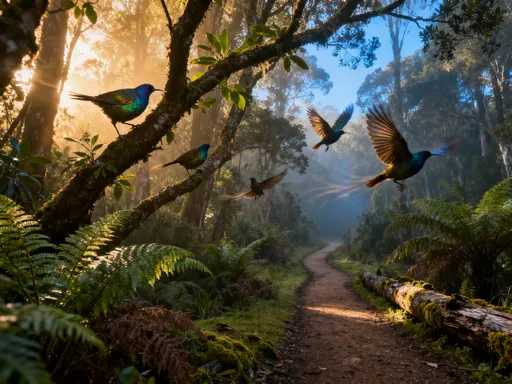
Whispers of Nature: Discovering Shimmering Wonders in Shiraz
Nestled in the heart of Iran, Shiraz is more than ancient poetry and fragrant gardens—it’s a gateway to breathtaking natural wonders. I never expected towering canyons, misty highlands, and silent deserts to lie just beyond the city’s cultural charm. This is not just a journey through landscapes, but a soulful encounter with earth’s quiet magic. You gotta see it to believe it. While most travelers arrive to wander among the rose-scented paths of Eram Garden or recite Hafez beneath cypress trees, few realize that only a few hours’ drive away, nature unfolds in grand, untamed spectacles. These hidden realms offer more than scenic beauty—they invite introspection, renewal, and a deeper connection to the rhythms of the earth.
Introduction to Shiraz: Beyond the City of Poets
Shiraz has long been celebrated as the city of poets, wine (in its literary sense), and gardens that bloom like verses in stone and soil. The names of Hafez and Saadi echo through its alleys, and its terraced green spaces seem crafted by divine inspiration. Yet beyond the verses and fountains lies a quieter, wilder truth—one that unfolds not in marble courtyards but in wind-carved cliffs, misty highlands, and ancient trees standing sentinel over millennia. This duality is what makes Shiraz truly remarkable: a place where culture and nature are not separate realms but intertwined threads in a single, rich tapestry.
The surprise for many visitors is how swiftly the urban landscape gives way to raw, elemental beauty. Within two hours of leaving the city center, one can stand at the edge of a canyon where eagles circle above turquoise pools, or gaze across a wetland shimmering under dawn light, alive with the calls of migratory birds. These landscapes do not compete with Shiraz’s cultural legacy—they deepen it. They remind us that poetry did not arise in a vacuum; it was born from the same soil that nourishes wildflowers and ancient trees, from the same skies that blanket the Zagros Mountains in silence each night.
What makes these natural escapes even more compelling is their accessibility. Unlike remote wilderness zones requiring extensive trekking or special permits, many of these wonders are reachable by regular vehicles, especially during the favorable seasons. Local guides, increasingly aware of the value of ecotourism, offer insightful tours that blend geological knowledge with cultural storytelling. The result is a travel experience that satisfies both the mind and the spirit, offering beauty without sacrificing comfort or safety.
Dasht-e Arjan: Where Wetlands Meet Wild Mountains
One of the most striking natural sanctuaries near Shiraz is Dasht-e Arjan, a protected plain that transforms dramatically with the seasons. During the winter and early spring, rainfall collects in the lowlands, creating a vast, reflective wetland that mirrors the surrounding limestone cliffs. This seasonal lake, known as Arjan Lake, becomes a haven for over 150 species of birds, including flamingos, pelicans, and the endangered white-headed duck. The sight of these elegant creatures gliding across the glassy surface, framed by rugged peaks, is nothing short of magical.
The Arjan Protected Area spans more than 5,000 hectares and is part of a UNESCO Biosphere Reserve. Its ecological importance cannot be overstated—it serves as a critical stopover for birds migrating along the Afro-Eurasian flyway. Conservation efforts have helped stabilize populations of native species, including the Persian fallow deer, which was once on the brink of extinction. Visitors may catch a glimpse of these graceful animals grazing at dawn, their silhouettes soft against the rising sun.
Accessibility to Dasht-e Arjan has improved in recent years, with a well-maintained road leading from Shiraz. The best time to visit is between February and May, when water levels are high and wildflowers carpet the surrounding hills. Summer visits are less ideal due to heat and reduced water, though the dramatic rock formations remain impressive year-round. Travelers are advised to bring binoculars, wear neutral-colored clothing to avoid disturbing wildlife, and stay on designated paths to protect the fragile ecosystem.
What sets Dasht-e Arjan apart is its sense of untouched serenity. Unlike crowded urban parks or commercialized attractions, this is a place of quiet observation. The only sounds are the wind, the distant cry of a hawk, and the soft ripple of water. It’s a reminder that beauty does not require embellishment—sometimes, all it takes is stillness and a willingness to listen.
Koohrang Pass: Breathing in the High Altitude Air
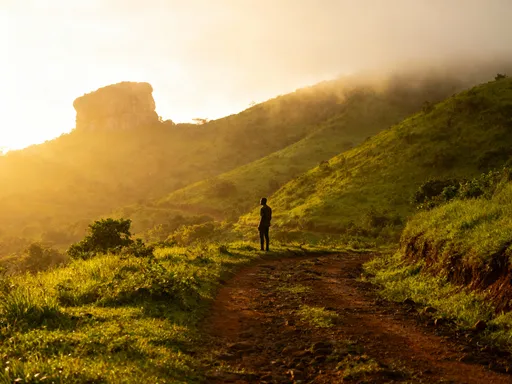
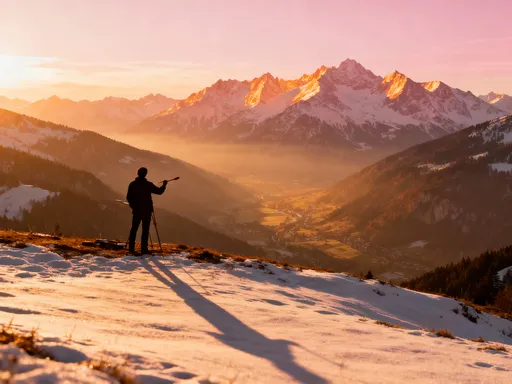
For those seeking elevation—both literal and metaphorical—Koohrang Pass offers a journey into the heart of the Zagros Mountains. This high-altitude route connects the provinces of Fars and Chaharmahal and Bakhtiari, winding through alpine meadows, pine forests, and snow-capped ridges. As the road climbs, the air grows cooler and thinner, carrying the scent of wild thyme and damp earth. At over 3,000 meters above sea level, the world feels hushed, as if the clouds themselves are pausing to listen.
The pass is especially stunning in late spring and early summer, when snowmelt feeds crystal-clear streams and wildflowers bloom in vibrant patches across the slopes. Hikers can follow local trails to hidden springs or glacial valleys, where the silence is so complete it becomes a presence. The landscape here is shaped by tectonic forces and millennia of erosion, yet it feels alive—responding to the seasons, to rainfall, to the footsteps of those who tread lightly upon it.
Travelers should be prepared for changing weather conditions. Even in summer, temperatures can drop suddenly, and fog may reduce visibility on the narrow mountain roads. Four-wheel-drive vehicles are recommended, especially after rain. It’s also wise to travel with a local guide who knows the terrain and can help navigate unmarked junctions. Fuel up before departure, as there are no gas stations along the route, and carry extra water and warm clothing.
Despite the challenges, the rewards are profound. From the summit of Koohrang Pass, the view stretches across undulating mountain folds, each ridge fading into the next like waves frozen in time. On clear days, you can see for dozens of kilometers, with no sign of human settlement—just nature in its most unfiltered form. It’s a place that invites reflection, where the breath slows and the mind clears, leaving space for wonder.
Hoor al-Azim Wetland: A Shared Treasure with Nature
Further afield, yet still within reach for dedicated travelers, lies Hoor al-Azim, one of the largest wetland systems in the region. Stretching across the western border of Iran into southern Iraq, this vast marshland is a lifeline for countless species of birds, fish, and aquatic plants. Though international borders divide the land, the ecosystem functions as a single, interconnected whole—a testament to nature’s disregard for human-made lines on a map.
The Iranian portion of Hoor al-Azim is protected under national conservation laws and recognized for its biodiversity. It hosts breeding colonies of herons, ibises, and spoonbills, and serves as a refuge for the Basra reed warbler, a species of global conservation concern. During migration season, the sky fills with flocks of ducks and geese, their synchronized flight patterns creating living tapestries against the horizon.
Water levels fluctuate significantly depending on rainfall and upstream river flow, making some areas accessible only by boat during peak seasons. Local communities have lived in harmony with the wetland for generations, relying on sustainable fishing and reed harvesting. Their knowledge is invaluable for visitors hoping to understand the delicate balance that sustains this ecosystem.
Eco-tourism initiatives are slowly emerging, offering guided birdwatching tours and homestays with families who practice traditional stewardship of the land. These experiences provide not only a deeper appreciation of the wetland but also direct support to conservation efforts. Travelers are encouraged to follow low-impact practices: avoiding plastic, refraining from feeding wildlife, and respecting restricted zones. The goal is not to dominate the landscape but to move through it with humility and care.
The Mystery of the Stone Forest Near Bishapur
South of Shiraz, near the ancient city of Bishapur, lies a surreal landscape often overlooked by mainstream tourism—the so-called Stone Forest. This is not a formal park or curated attraction, but a natural phenomenon shaped by wind, water, and time. Over millions of years, erosion has sculpted the soft rock into tall, slender pillars that rise like silent sentinels from the desert floor. Some resemble ancient columns; others look like petrified trees or hooded figures frozen in contemplation.
Walking among these formations feels like stepping into a dream. There are no crowds, no signs, no facilities—just the crunch of gravel underfoot and the whisper of wind through narrow crevices. The silence is profound, broken only by the occasional call of a desert lark or the rustle of a lizard darting between rocks. It’s a place that encourages introspection, where the mind slows and the soul expands.
Geologically, the area is part of a larger sedimentary basin that has undergone intense weathering. The pillars are composed of limestone and marl, their varying resistance to erosion creating the uneven heights and textures that give the site its otherworldly appearance. While not as widely known as other attractions, the Stone Forest is gaining attention among photographers and nature enthusiasts seeking authentic, off-the-beaten-path experiences.
Visitors should come prepared: bring plenty of water, wear sun protection, and avoid visiting during midday heat. There are no marked trails, so a GPS device or local guide is advisable. Most importantly, leave no trace. These formations are fragile, and even minor disturbances can accelerate erosion. The beauty of the Stone Forest lies in its untouched state—a rare gift in an increasingly developed world.
Sarv-e Abarkuh: The Ancient Cypress That Defies Time
Though located nearly 400 kilometers from Shiraz, the Sarv-e Abarkuh—the 4,000-year-old cypress tree in the village of Abarkuh—is often included in extended cultural and natural itineraries starting from the city. This majestic tree, believed to be one of the oldest living organisms on Earth, stands like a living monument to endurance and resilience. Its twisted trunk, scarred by time and fire, rises over 25 meters into the sky, its crown still producing green foliage despite its age.
Local legend holds that the tree was planted by Zoroaster himself, though scientific dating places its origins in the third millennium BCE, around the same time as the pyramids of Egypt. Regardless of its exact origins, the tree holds deep cultural and spiritual significance. It is protected by a stone wall and cared for by the community, who view it as a symbol of life’s continuity and the enduring power of nature.
The site attracts visitors not only for its botanical rarity but for the sense of awe it inspires. Standing beneath its branches, one feels connected to generations long past—farmers, poets, travelers—who also paused here in reverence. Educational signs explain its biological features and conservation status, while shaded areas allow visitors to rest and reflect.
Preservation efforts include irrigation during droughts, protection from pollution, and monitoring for disease. The Iranian Cultural Heritage Organization oversees its care, ensuring that this natural treasure survives for future generations. For those traveling from Shiraz, the detour is well worth it—not just to see an ancient tree, but to witness what steadfastness looks like in the face of time.
Planning Your Natural Escape: Tips for Responsible Exploration
Exploring the natural wonders near Shiraz requires thoughtful preparation. The best times to visit are spring (March to May) and early autumn (September to October), when temperatures are mild, rainfall enhances landscapes, and wildlife is most active. Summers can be extremely hot, especially in lowland areas, while winters bring snow to the mountains, making some routes impassable without proper equipment.
Transportation options include rental cars, private drivers, and organized eco-tours. While self-driving offers flexibility, hiring a local guide enhances safety and enriches the experience with cultural and ecological insights. Many guides are trained in sustainable tourism practices and can lead visitors to lesser-known spots while minimizing environmental impact.
Packing essentials include layered clothing, sturdy footwear, sunscreen, a wide-brimmed hat, and a refillable water bottle. Binoculars and a field guide to birds or plants can deepen the experience. Always carry a map or GPS, as mobile signal may be unreliable in remote areas.
Equally important is adopting an eco-conscious mindset. Stick to established paths, avoid littering, and never remove rocks, plants, or artifacts. Respect wildlife by observing from a distance and refraining from feeding animals. Support local economies by purchasing crafts, hiring local guides, and staying in family-run accommodations. These small choices collectively contribute to the long-term preservation of these fragile environments.
Finally, approach each destination with openness and humility. These landscapes are not stages for Instagram photos but living systems that have evolved over millennia. By moving slowly, listening deeply, and treading lightly, travelers honor both the land and the communities that steward it.
Conclusion: Finding Harmony Between Culture and Nature
Shiraz is often remembered for its poetry, its gardens, its timeless elegance. But those who venture beyond the city limits discover a deeper layer of meaning—one written not in verses, but in canyons, wetlands, and ancient trees. These natural wonders do not diminish the city’s cultural brilliance; they amplify it. They remind us that human creativity flourishes best when rooted in the rhythms of the earth.
Every canyon whisper, every reflection in a mountain lake, every breath of crisp highland air—it all speaks of a world that existed long before us and will continue long after. To walk through these landscapes is to participate in a quiet dialogue with time, to feel small in the best possible way. It is here, away from noise and distraction, that clarity returns. The soul remembers its place in the greater whole.
True exploration is not about checking destinations off a list. It is about presence—about standing still long enough to hear what the wind carries, to notice how light changes on a rock face, to feel the pulse of life in a 4,000-year-old tree. In Shiraz and its surroundings, culture and nature are not opposites but companions, each enhancing the other’s beauty.
So when you plan your next journey, consider not just the monuments, but the mountains. Not just the poems, but the silence between them. Let the whispers of nature guide you. Because sometimes, the most profound adventures are the ones that leave no footprints—only memories etched in the heart.