You Gotta See These Chicago Hideouts—Weekend Vibes Only
Chicago isn’t just skyscrapers and deep-dish—there’s a whole side of the city that locals love but visitors often miss. I’m talking about chill spots where you can unwind, breathe, and actually feel the city’s rhythm. From tucked-away riverwalk nooks to low-key neighborhood parks with skyline views, these places turn a good trip into a great one. If you’re looking to escape the crowds and find real relaxation, this is your go-to guide. These hidden retreats offer more than just quiet; they provide a deeper connection to the city’s soul, where time slows and moments become memories. Whether you’re visiting for the weekend or a long holiday, knowing where to pause is just as important as knowing where to go.
Why Chicago’s Hidden Leisure Spots Matter
When planning a trip to Chicago, most travelers focus on the big attractions—the Art Institute, Navy Pier, Willis Tower, and Millennium Park. While these landmarks are undeniably impressive, they only tell part of the city’s story. What truly enriches a visit is the balance between exploration and relaxation. Leisure spaces, often overlooked, play a vital role in enhancing travel satisfaction. These quiet corners allow visitors to process what they’ve seen, recharge emotionally, and absorb the city’s energy without sensory overload. Research in urban psychology suggests that access to green and tranquil spaces during travel reduces stress and improves overall well-being, making trips more enjoyable and memorable.
Chicago’s urban design uniquely supports this balance. Unlike cities built solely for speed and efficiency, Chicago integrates nature into its fabric. The city boasts over 600 parks, 30 miles of lakefront trails, and a revitalized river system that weaves through downtown. These spaces aren’t afterthoughts; they are essential components of daily life for residents. The city’s planners have long understood that beauty and tranquility are not luxuries but necessities. This philosophy is evident in how parks are distributed evenly across neighborhoods, ensuring that every community has access to open space. For visitors, this means that no matter where you are, a peaceful retreat is never far away.
Moreover, these leisure spots reflect Chicago’s cultural diversity and community spirit. A quiet bench in a neighborhood park might overlook a mural painted by local artists, or a riverside path might pass a community garden tended by families for generations. These places tell stories of resilience, creativity, and connection. They invite travelers not just to observe, but to participate in the rhythm of local life. By seeking out these hidden spots, you move beyond the role of spectator and become a temporary member of the city’s extended family. That shift in perspective transforms a standard vacation into a meaningful experience.
The Chicago Riverwalk: More Than Just a Stroll
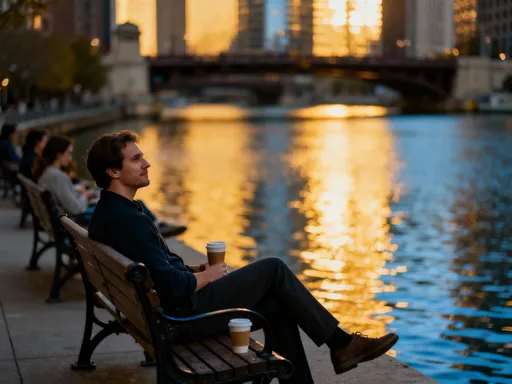
The Chicago Riverwalk is one of the city’s greatest urban successes, a transformation of what was once an industrial waterway into a vibrant public space. Stretching from Lake Shore Drive to Canal Street, this pedestrian-friendly path offers a unique vantage point of the city. But beyond its postcard-worthy views, the Riverwalk is a sanctuary for relaxation. As you walk along the limestone pathways, the sound of water gently lapping against the riverbanks drowns out the honking of taxis and the rumble of the El train. Benches tucked beneath willow trees, floating gardens, and small plazas with seating create natural pause points, inviting you to sit, breathe, and simply be.
One of the most peaceful sections is the Arcade Basin, located just east of State Street. Here, the river widens slightly, and the surrounding buildings reflect in the water like a living painting. During weekday mornings, you might find a few office workers enjoying their coffee in silence, while weekend afternoons bring families feeding ducks or couples sharing a bottle of wine. The area around Wells Street is livelier, with cafés and restaurants like City Winery offering outdoor seating right on the water. But just a few steps away, near the west end of the Riverwalk, the vibe shifts again—quieter, more introspective, perfect for a solo moment of reflection.
Timing your visit can make all the difference. Early mornings, especially in spring and fall, offer the most serenity. The light is soft, the air crisp, and the path is nearly empty. By midday, tour groups and lunchtime crowds arrive, but even then, finding a quiet spot is easy if you know where to look. Late afternoons bring golden hour, when the sun casts long shadows across the river and the city lights begin to flicker on. This is an ideal time to slow down, perhaps with a gelato from Margie’s Candies nearby, and watch the city transition from day to night. The Riverwalk isn’t just a place to walk through—it’s a place to linger, to listen, and to reconnect.
Millennium Park’s Quiet Corners You’ve Probably Missed
Millennium Park is one of Chicago’s most photographed destinations, famous for Cloud Gate (affectionately known as “The Bean”), the Crown Fountain, and the Jay Pritzker Pavilion. Yet, amid the constant flow of tourists, there are pockets of calm that many overlook. These quiet corners offer a chance to enjoy the park’s beauty without the crowds. One such retreat is the Lurie Garden, a 2.5-acre botanical oasis on the park’s southern edge. Designed to represent the rebirth of the city, the garden features over 200 species of perennials, grasses, and shrubs arranged in a symphony of color and texture. A raised boardwalk allows visitors to walk above the blooms, while secluded benches invite quiet contemplation.
The East Monroe Street Garden, just east of the Harris Theater, is another underappreciated gem. This shaded area features a canopy of honey locust trees, stone pathways, and a small reflecting pool that mirrors the surrounding skyscrapers. It’s an ideal spot to read a book, sketch the skyline, or sip a latte from a nearby coffee cart. Unlike the open plaza near Cloud Gate, this area maintains a sense of privacy, even during busy days. Arriving early in the morning or later in the evening increases your chances of having it nearly to yourself. The soft rustle of leaves and the distant hum of the city create a meditative atmosphere that contrasts beautifully with the park’s more famous, energetic zones.
Another hidden feature is the path along the southern edge of the Pritzker Pavilion, which leads to a quiet overlook of the Chase Promenade. This route is often bypassed by visitors rushing to take selfies with The Bean. Yet, it offers one of the best views of the pavilion’s stainless steel ribbons curving into the sky. On days when there’s no concert, the space feels almost sacred—a blend of architecture, nature, and stillness. These quieter areas of Millennium Park remind us that even in the heart of a bustling downtown, moments of peace are possible. They invite us to look beyond the obvious and discover the subtler layers of a place.
Neighborhood Parks That Feel Like Secret Escapes
While downtown attractions draw millions, Chicago’s true character shines in its neighborhood parks. These green spaces, often unknown to tourists, offer authentic, low-key experiences that feel like discovering a well-kept secret. Three standouts are Montrose Point Bird Sanctuary, Harold Washington Park, and California Park—each with its own distinct charm and sense of escape.
Montrose Point, located on the North Side along Lake Michigan, is a haven for nature lovers. Known locally as “The Magic Hedge,” this sanctuary is a prime spot for birdwatching, especially during migration seasons. The park features a gravel trail that leads to an offshore peninsula shaped like a dove, offering panoramic views of the lake and the city skyline. Despite its proximity to the bustling Uptown neighborhood, the area feels remote and peaceful. Benches along the path provide perfect vantage points for watching gulls, warblers, and even the occasional bald eagle. The sound of waves and the cry of birds create a natural soundtrack that transports you far from the urban grind.
Harold Washington Park, on the South Side near Bronzeville, is another hidden gem. Nestled between historic homes and tree-lined streets, this park combines beauty with community spirit. It features a central lawn, a children’s play area, and a striking sculpture garden honoring African American leaders. What makes it special is its tranquility. On a quiet afternoon, you might find a few elders reading newspapers on benches or a young couple strolling hand in hand. The park offers unobstructed views of the downtown skyline, making it one of the best free photo spots in the city. Its accessibility via the CTA Green Line makes it easy to reach without a car.
California Park, in the West Town neighborhood, is smaller but equally charming. Once an industrial site, it has been transformed into a green oasis with walking paths, native plants, and a community garden. Local residents often gather here for yoga, dog walking, or simply sitting under the shade of oak trees. The park’s design emphasizes sustainability, with rain gardens and permeable surfaces that manage stormwater naturally. It’s a quiet reminder that urban renewal can be both beautiful and functional. Visiting these neighborhood parks not only provides relaxation but also fosters a deeper appreciation for Chicago’s diversity and resilience.
Lakefront Gems: Where Locals Go to Unplug
Chicago’s lakefront is one of its greatest assets, offering 18 miles of continuous public access along Lake Michigan. While popular beaches like Oak Street and North Avenue draw crowds, there are quieter stretches where locals go to unplug and recharge. One such spot is 31st Street Beach, located just south of McCormick Place. Less commercialized than its northern counterparts, this beach features soft sand, calm waters, and plenty of shaded seating. The adjacent harbor is home to sailboats and kayaks, and the rhythmic sound of rigging against masts adds to the peaceful ambiance. Early mornings here are particularly serene, with joggers on the bike path and fishermen casting lines from the breakwater.
Further south, the South Shore Cultural Center offers a completely different vibe. Once a private country club, it was transformed into a public facility with a beach, golf course, and cultural programming. The grounds are expansive and beautifully landscaped, with walking trails that wind through gardens and open lawns. The beach is wide and often uncrowded, making it ideal for long walks or quiet reflection. The center also hosts seasonal events like outdoor concerts and art fairs, but even on event days, there are plenty of quiet corners to retreat to. Its location on the far South Side makes it less accessible to tourists, which is part of what keeps it so peaceful.
Safety and accessibility are important considerations. Most lakefront areas are well-maintained and patrolled, especially during summer months. Public restrooms, drinking fountains, and bike racks are available at major access points. For those relying on public transit, the CTA bus routes 2, 6, and 28 serve various lakefront locations, while the Metra Electric Line stops near South Shore. Biking is another excellent option—the Lakefront Trail is paved and well-marked, connecting all major parks and beaches. Whether you’re walking, cycling, or just sitting on a bench with a view of the water, these lakefront gems offer a vital escape from the city’s pace.
Coffee Shops & Bookstores That Double as Chill Zones
Not every moment of relaxation has to happen outdoors. Chicago’s café and bookstore culture provides cozy indoor retreats, especially welcome during cold winters or rainy days. These spaces offer warmth, comfort, and a sense of community that enhances the travel experience. Two standout spots are Intelligentsia Coffee in the Loop and Uncommon Ground in Edgewater.
Intelligentsia, located in the historic Jewelers Building, is renowned for its expertly crafted espresso and minimalist design. But beyond the coffee, the atmosphere is what makes it special. High ceilings, natural light, and carefully placed seating create a calm, inviting environment. You can sit at a communal table with a laptop, or find a corner armchair with a book. The staff are knowledgeable but never intrusive, and the background music is always low enough to allow for quiet thought. It’s a place where time slows, perfect for journaling, planning your next move, or simply watching the world go by through large windows facing Wabash Avenue.
Uncommon Ground, on the North Side, is more than a café—it’s a full sensory experience. As one of the first certified organic restaurants in the U.S., it serves locally sourced pastries, teas, and light meals. The interior is warm and eclectic, with bookshelves filled with rotating titles, potted plants, and handmade art on the walls. Outdoor seating in a lush garden is available in warmer months, but the indoor space is cozy year-round. What sets it apart is its emphasis on connection. You might overhear a poetry reading, see a local artist sketching in the corner, or strike up a conversation with a friendly regular. It’s the kind of place where you can stay for hours without feeling rushed, a rare quality in a fast-paced city.
These indoor spaces are more than just places to grab a drink. They serve as emotional anchors during travel, offering stability and comfort. In a world where sightseeing can become overwhelming, stepping into a quiet café provides immediate relief. The aroma of fresh coffee, the soft hum of conversation, the feel of a warm mug in your hands—these small sensations ground us. They remind us that travel isn’t just about checking off landmarks, but about creating space for presence and peace.
How to Build a Relaxed Itinerary Without Missing the Highlights
One of the biggest challenges for travelers is balancing must-see attractions with meaningful downtime. The temptation is to pack every hour with activities, but this often leads to burnout. A smarter approach is to design a relaxed itinerary that pairs high-energy sights with low-key breaks. This doesn’t mean doing less—it means experiencing more, with greater depth and enjoyment.
Start by identifying your top priorities. If you’re visiting the Art Institute, for example, plan to spend two to three hours there, focusing on your favorite collections. Then, instead of rushing to the next museum, walk five minutes to the nearby Nichols Bridgeway and descend to the southern end of the Chicago Riverwalk. Find a bench, order a drink from a nearby kiosk, and let the water soothe your senses. This 30-minute pause can reset your energy and enhance your appreciation of the next destination.
Similarly, after visiting the Shedd Aquarium or Adler Planetarium at Museum Campus, head to Burnham Harbor. This quiet marina offers stunning views of the skyline and the gentle movement of boats on the water. You can walk the perimeter, sit on a bench, or grab a snack from a food truck. The contrast between the educational intensity of the museums and the calm of the harbor creates a balanced rhythm.
Technology can help. Apps like Google Maps and Transit allow you to locate nearby parks, cafés, and quiet zones in real time. You can search for “peaceful spots near me” or filter for parks with seating and shade. Many of Chicago’s green spaces are marked with accessibility features, including restrooms and paved pathways, making them easy to include in any itinerary. The key is intentionality—plan not just what to see, but when to rest. By building in moments of stillness, you create a trip that feels enriching rather than exhausting.
Conclusion: Rediscover Chicago Through Stillness
Travel should be about more than checking boxes on a list. It should be about connection, presence, and the joy of discovery. Chicago, with its rich architecture, vibrant culture, and dynamic energy, offers countless opportunities for adventure. But its true magic lies in the quiet moments—the bench by the river, the hidden garden, the corner café where time stands still. These are the places where memories are made not through action, but through stillness.
As you plan your visit, remember that rest is not a luxury—it’s a necessity. The most fulfilling trips are those that balance exploration with reflection, excitement with calm. By seeking out Chicago’s hidden retreats, you honor not just the city, but yourself. You allow space for your senses to reset, your mind to wander, and your heart to open.
So take a breath. Sit down. Let the city come to you. Because sometimes, the best way to see a place is not with your camera, but with your soul. In the end, it’s not the number of photos you take, but the depth of the moments you feel, that defines a great journey. Chicago invites you not just to visit, but to pause, to listen, and to belong—if only for a little while.