Whispers of Tradition: The Hidden Cultural Soul of Fujairah
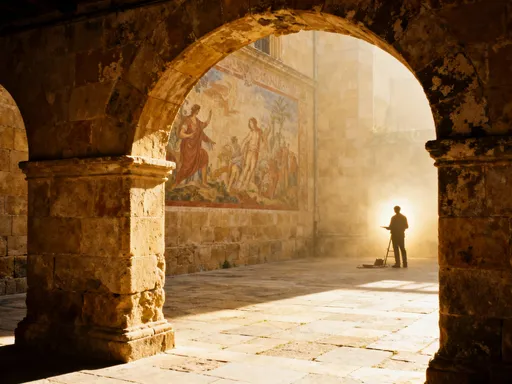
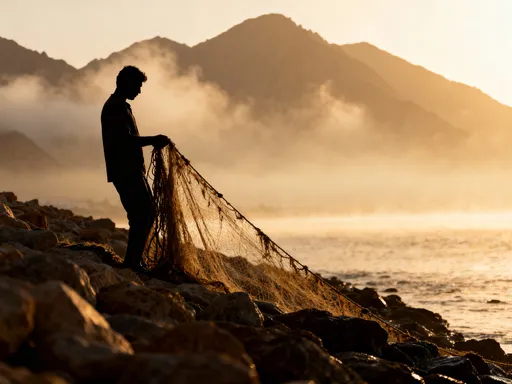
Stepping into Fujairah feels like uncovering a secret the UAE kept hidden behind its skyscrapers. Away from the bustle, this quiet emirate reveals centuries-old forts, mountain villages, and pearl-diving tales. I wandered souks where elders share stories in Farsi-accented Arabic and watched fishermen haul nets just like their fathers did. This isn’t just travel—it’s connection, slow and real. In a country celebrated for futuristic cities and luxury shopping, Fujairah offers something profoundly different: a living archive of Emirati heritage, preserved not in glass cases but in daily life. Here, tradition is not performed for tourists—it is lived, protected, and quietly passed down through generations.
Beyond the Glitz: Why Fujairah Stands Apart
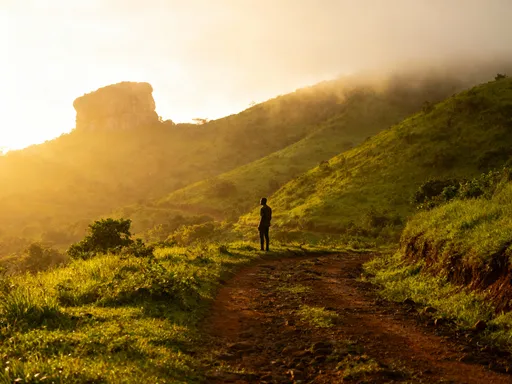
Fujairah occupies a unique place within the United Arab Emirates—not just geographically, but culturally. As the only emirate situated entirely on the Gulf of Oman, it faces east toward the Indian Ocean rather than west into the vast Arabian Desert. This distinct positioning has shaped its climate, economy, and way of life. While much of the UAE endures scorching heat and arid landscapes, Fujairah benefits from higher humidity and occasional rainfall, allowing for greener terrain and more sustainable agriculture. The Hajar Mountains rise dramatically behind its coastline, creating a natural barrier that historically isolated the region and helped preserve its customs.
This isolation is precisely what makes Fujairah so special today. Unlike its neighbors—Dubai, Abu Dhabi, and Sharjah—Fujairah did not experience rapid urbanization fueled by oil wealth. It remained largely rural, with communities centered around fishing, farming, and trade. Without towering skyscrapers or sprawling malls, the emirate retained a sense of calm authenticity. Its architecture reflects this modesty: simple stone homes, low-rise buildings, and narrow alleyways that invite walking rather than driving. Visitors often remark on the absence of traffic noise and the presence of birdsong—an unexpected luxury in the modern Gulf.
Yet Fujairah’s quiet charm is not a sign of stagnation. On the contrary, it represents resilience. The people here have long relied on self-sufficiency, drawing water from mountain springs, cultivating date palms, and navigating the sea with ancestral knowledge. These traditions are not relics but active practices, sustained by pride and necessity. For mindful travelers, Fujairah offers a rare opportunity: to witness a version of Emirati life that existed before globalization, where hospitality is genuine, time moves gently, and culture is deeply rooted in place.
Al Bidiya Mosque: Echoes of Early Islam
Among Fujairah’s most treasured sites is Al Bidiya Mosque, believed to be the oldest mosque in the United Arab Emirates. Nestled in a secluded valley near the village of Al Bidiya, this humble structure dates back to the late 15th or early 16th century, long before the discovery of oil transformed the region. What makes it remarkable is not grandeur, but simplicity. Built entirely without nails or cement, the mosque stands as a testament to early Islamic architecture and craftsmanship. Its four small domes, constructed from clay and coral stone, symbolize both spiritual humility and structural ingenuity.
Local tradition holds that the mosque was built by four brothers, each responsible for one dome, representing unity and shared faith. Inside, the space remains unadorned—no chandeliers, no intricate tilework, only the soft light filtering through small arched windows. The air carries a quiet reverence, and visitors instinctively lower their voices, not out of obligation but out of respect. This is not a tourist attraction designed for spectacle; it is a place of contemplation, still used by nearby residents for prayer, especially during religious holidays.
Surrounding the mosque are ancient burial mounds and rock inscriptions, some bearing markings in pre-Islamic scripts. These remnants suggest that human settlement in this area predates even the mosque itself, pointing to a long history of spiritual and communal life. Archaeologists continue to study the site, though much of its past remains oral, passed down through generations of elders. The UAE Ministry of Culture supports preservation efforts, ensuring that Al Bidiya Mosque remains protected from environmental damage and over-visitation.
For visitors, a visit to Al Bidiya is more than a historical excursion—it is an invitation to slow down and reflect. In a world where religion is often politicized or commercialized, this mosque stands as a quiet reminder of faith’s essence: simplicity, community, and continuity. It speaks not through words, but through presence, offering a rare glimpse into the spiritual roots of the Emirates.
The Living Heritage of Fujairah Fort
Rising from a rocky outcrop in the heart of Fujairah City, Fujairah Fort has stood for over four centuries, guarding the coastline and bearing witness to the emirate’s evolution. Originally constructed in the late 17th century, likely under the rule of the Omani Yaruba dynasty, the fort served as a defensive stronghold against invasions from sea and land. Its strategic location allowed watchmen to spot approaching ships long before they reached shore. Unlike many restored historical sites that feel sterile or overly curated, Fujairah Fort has been thoughtfully revitalized to remain alive with culture and memory.
Today, the fort functions as both a museum and a cultural center. Inside its thick coral and limestone walls, visitors encounter lifelike mannequins dressed in traditional Emirati attire, arranged in scenes that depict daily life from centuries past. One room shows women grinding dates with stone tools, another displays children playing with handmade toys, while a marketplace scene captures traders exchanging goods like frankincense and dried fish. These vignettes are not staged for dramatic effect—they are based on oral histories collected from local elders, ensuring authenticity.
An audio guide narrated in multiple languages shares stories of resilience, from droughts to tribal conflicts, all told through the lens of family memory. The fort also hosts seasonal events, including the annual Fujairah Heritage Festival, where Omani-influenced dances like the razfa are performed by local troupes. Drummers beat copper drums in rhythmic unison, while men in white kanduras sway in coordinated steps, their voices rising in traditional chants. These performances are not reenactments—they are living traditions, taught to youth and cherished as part of identity.
The fort’s preservation reflects a broader philosophy in Fujairah: that heritage should not be frozen in time but allowed to breathe. Restoration work used traditional materials and methods, maintaining the integrity of the original structure. Visitors are encouraged to touch certain surfaces, sit in shaded courtyards, and imagine life as it was—without barriers or velvet ropes. In doing so, the fort becomes more than a monument; it becomes a bridge between generations, reminding both locals and travelers that culture is not something to be observed from afar, but lived and protected.
Mountain Villages and the Art of Dry-Stack Stone Building
High in the foothills of the Hajar Mountains, villages like Bidiya, Dibba Al Hisn, and Masafi offer a window into a sustainable way of life shaped by centuries of adaptation. These settlements are built using dry-stack stone construction—a technique that involves carefully placing stones without mortar, relying on precise fitting and gravity to create stable walls. Some of these homes are over 200 years old, yet they remain habitable, a testament to the skill of their builders. The thick stone walls provide natural insulation, keeping interiors cool during the day and warm at night, a crucial advantage in a region with extreme temperature shifts.
Walking through these villages feels like stepping into another era. Terraced pathways wind between homes, many with flat roofs used for drying herbs or sleeping under the stars during hot summer nights. Courtyards are shaded by date palms, and goats wander freely, tended by children in simple clothes. Water is precious here, and ancient falaj systems—underground channels that carry mountain runoff to homes and farms—still function today. Recognized by UNESCO as part of the traditional aflaj irrigation systems of Oman and the UAE, these networks are maintained by local families who understand their value not just as infrastructure, but as heritage.
Guided walks through these areas are among the most rewarding experiences in Fujairah. Local guides, often retired teachers or farmers, lead small groups along shaded trails, explaining how each stone was selected, how roofs were reinforced with palm trunks, and how families once lived off the land. They point out medicinal plants growing in crevices and describe how rainwater was collected in cisterns carved from rock. These walks are not rushed; they encourage pauses, questions, and quiet observation.
One of the most touching moments comes when visitors are invited into a family’s home for cardamom coffee and dates—a gesture of Emirati hospitality that requires no translation. Sitting on woven mats in a centuries-old courtyard, sipping bitter coffee from small cups, one begins to understand the depth of connection these communities have to their land. It is not nostalgia that keeps them here, but a deep-rooted belief in a way of life that values patience, resourcefulness, and interdependence. In a world increasingly defined by speed and convenience, these mountain villages stand as quiet models of resilience and harmony.
The Vanishing Craft of Dhow Making
Along Fujairah’s coastline, particularly in the Dibba region, a few skilled craftsmen continue the centuries-old tradition of dhow building. These wooden sailing vessels, once the lifeblood of Gulf trade, were used to transport pearls, dates, spices, and textiles across the Indian Ocean. Built entirely by hand, using teak imported from India and fastened with iron nails driven by hammer, each dhow takes months—or even years—to complete. The hulls are shaped to catch monsoon winds, allowing sailors to navigate long distances without engines. Though modern shipping has largely replaced these vessels, the craft persists, kept alive by a handful of dedicated artisans.
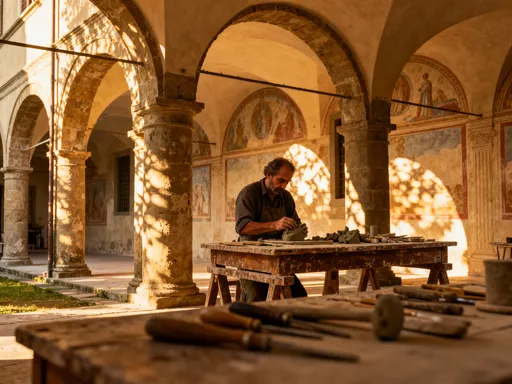
One of the last active dhow yards in Fujairah operates near the port of Dibba Al Hisn. Here, elderly carpenters work alongside younger apprentices, passing down techniques that are not written in manuals but learned through years of practice. The sound of hammers tapping wood echoes through the yard, mingling with the scent of sawdust and seawater. Visitors are welcome to observe, though photography is allowed only with permission—a sign of respect for the craft and its practitioners.
Each dhow is built without blueprints. The master builder, known as the *shipwright*, relies on memory and intuition, shaping the keel and ribs according to the type of vessel—whether a *boom* for cargo or a *sambuk* for speed. The wood is treated with fish oil to resist saltwater damage, and the sails, when used, are still made from hand-woven cotton. Some of these dhows are now used for tourism, offering sunset cruises or cultural experiences, while others remain in service for local fishing.
Efforts are underway to preserve this tradition. The Fujairah Department of Antiquities and Heritage has documented the process, and cultural festivals occasionally feature live demonstrations. Schools in the region invite shipwrights to speak with students, ensuring that younger generations understand the significance of this craft. For many Emiratis, the dhow is more than a boat—it is a symbol of identity, a reminder of a time when the sea was both highway and provider. In preserving dhow making, Fujairah is not just saving a skill; it is honoring a legacy of exploration, endurance, and connection to the natural world.
Flavors of the Coast: A Culinary Journey Through Time
Cuisine in Fujairah is a direct reflection of its environment and history—simple, nourishing, and deeply flavorful. With the sea on one side and mountains on the other, the local diet relies heavily on fresh seafood, dates, dairy, and grains. Meals are not elaborate affairs but communal events, often shared on the floor around a large platter. Breakfast typically begins with dates and laban, a fermented milk drink, continuing a tradition that dates back to pre-oil times when sustenance had to be both nutritious and long-lasting.
Seafood dominates the table. Grilled hammour, a type of grouper, is seasoned with turmeric, cumin, and lime, then cooked over open flames. Spicy crab curry, made with coconut milk and green chilies, is a staple in coastal households. Another favorite is *samak mashwi*, whole fish marinated in a blend of spices and grilled until the skin is crisp. These dishes are rarely found in fancy restaurants; instead, they are served in small, family-run eateries with plastic tables and ceiling fans, where the focus is on taste, not presentation.
One of the most beloved traditional dishes is *harees*, a porridge-like mixture of cracked wheat and slow-cooked meat, often served during Ramadan and Eid. It requires hours of stirring and patience, embodying the values of care and generosity. Equally cherished are *luqaimat*—small, deep-fried dumplings drizzled with date syrup—commonly offered to guests as a sign of welcome. These sweets, crispy on the outside and soft within, connect modern families to their ancestors, who prepared them for special occasions with the same care.
Cooking in Fujairah is still largely done over wood fires or gas stoves in home kitchens, where recipes are passed down orally. Women gather to prepare meals for weddings and religious events, sharing stories as they stir pots and knead dough. Some villages host food festivals where visitors can sample regional specialties, from smoked fish to date cakes. These events are not commercialized; they are community-driven, aimed at preserving culinary heritage. To eat in Fujairah is not just to satisfy hunger—it is to participate in a living tradition, where every bite carries the weight of memory and the warmth of belonging.
How to Travel Fujairah with Respect and Curiosity
Visiting Fujairah is not like checking off landmarks on a typical tourist itinerary. It is an invitation to engage slowly, thoughtfully, and respectfully. The emirate does not cater to mass tourism, and its people value sincerity over spectacle. Travelers who approach with curiosity and humility are often welcomed into spaces that remain closed to those seeking only photos. Dressing modestly—covering shoulders and knees—is essential, especially in villages and religious sites. It is also customary to remove shoes before entering a home, a small gesture that shows respect for personal space.
Photography should be approached with care. While landscapes and architecture are generally acceptable to photograph, it is important to ask permission before taking pictures of people, especially women and children. In many rural areas, cameras are still met with hesitation, not out of distrust, but out of cultural privacy. A simple smile and a gesture of asking go a long way. When granted permission, a photo becomes a shared moment rather than an intrusion.
One of the best ways to deepen understanding is by hiring a local guide. Many are former fishermen, teachers, or farmers who know the region intimately. They can lead off-the-beaten-path walks, introduce visitors to family-run cafes, and share stories that no brochure can convey. Staying in eco-lodges or family guesthouses, rather than international resorts, also supports the local economy and allows for richer cultural exchange. Some homes offer overnight stays, complete with home-cooked meals and evening storytelling.
The ideal time to visit is between October and March, when temperatures range from 20°C to 28°C (68°F to 82°F), making outdoor exploration comfortable. Public transportation is limited, so renting a car provides the most flexibility. Roads are well-maintained, and signage is clear, though GPS signals can be weak in mountainous areas. Travelers should carry water, snacks, and a physical map as backup. Above all, patience is key. Schedules are fluid, meals take time, and conversations unfold slowly. Embracing this rhythm is part of the experience. By traveling with respect, visitors do more than see Fujairah—they become temporary stewards of its quiet legacy.
Keeping the Quiet Flame Alive
Fujairah does not announce its importance with billboards or advertisements. It reveals itself gradually—in the curve of a dhow’s hull, the echo of a drum in a mountain village, the steam rising from a cup of cardamom coffee. Its value lies not in what it displays, but in what it preserves: a way of life that values continuity over change, community over individualism, and quiet dignity over spectacle. In a nation celebrated for its ambition and innovation, Fujairah stands as a counterbalance—a reminder that progress need not erase the past.
Every visitor who walks through Al Bidiya Mosque, who listens to a fisherman’s story, who shares a meal with a local family, becomes part of this preservation. Tourism, when done mindfully, does not threaten culture—it sustains it. Entrance fees to heritage sites support restoration. Purchases at local souks keep crafts alive. Respectful interactions reinforce pride in tradition. Fujairah does not need millions of visitors; it needs thoughtful ones.
The soul of the UAE is not confined to its skyscrapers. It pulses in the mountain springs of Fujairah, in the hands of a shipwright shaping wood, in the laughter of children playing in a stone courtyard. To travel here is to witness a different kind of wealth—one measured not in gold, but in memory, resilience, and connection. By choosing to visit with care, travelers help keep the quiet flame alive, ensuring that the whispers of tradition continue to be heard, long into the future.